
Are absolutely: Online dating attractiveness
| Funny dating sites |
| ONLINE DATING PROFILE OPENING LINE |
| Online dating attractiveness |
| Online dating attractiveness |
| Men dating younger women reddit |
Pew Research Center has long studied the changing nature of romantic relationships and the role of digital technology in how people meet potential partners and navigate web-based dating platforms. This particular report focuses on the patterns, experiences and attitudes related to online dating in America. These findings are based on a survey conducted Oct. 16 to 28, online dating attractiveness, 2019, among 4,860 U.S. adults. This includes those who took part as members of Pew Research Center’s American Trends Panel (ATP), an online survey panel that is recruited through national, random sampling of residential addresses, as well as respondents from the Ipsos KnowledgePanel who indicated that they identify as lesbian, online dating attractiveness, gay or bisexual (LGB). The margin of sampling error for the full sample is plus or minus 2.1 percentage points.
Recruiting ATP panelists by phone or mail ensures that nearly all U.S. adults have a chance of selection. This gives us confidence that any sample can represent the whole U.S. adult population (see our Methods 101 explainer on random sampling). To further ensure that each ATP survey reflects a balanced cross-section of the nation, the data are weighted to match the U.S. adult population by gender, race, ethnicity, online dating attractiveness, partisan affiliation, education and other categories.
For more, see the report’s methodology about the project. You can also find the questions asked, and the answers the public provided in this topline.
From personal ads that began appearing in publications around the 1700s to videocassette dating services that sprang up decades ago, the platforms people use to seek out romantic partners have online dating attractiveness throughout history. This evolution has continued with the rise of online dating sites and mobile apps.
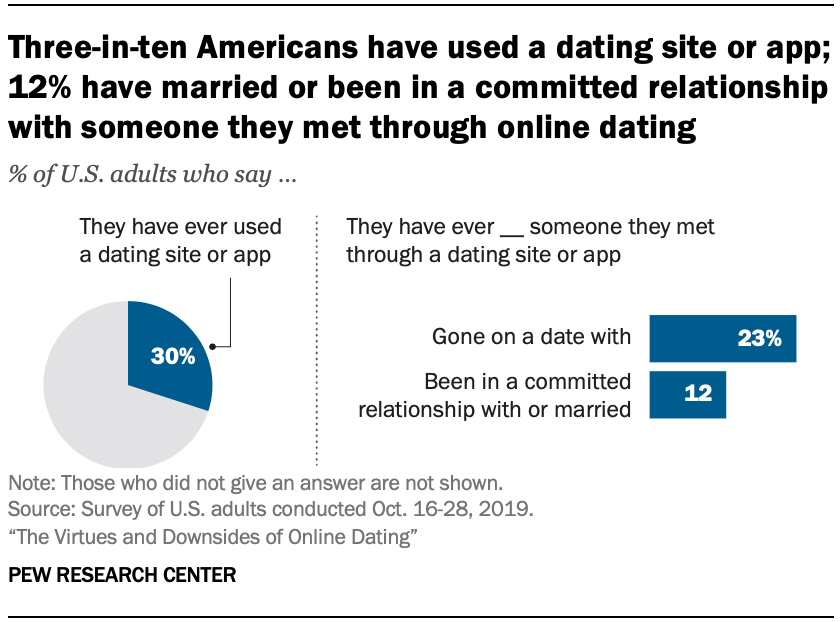 Today, three-in-ten U.S. adults say they have online dating attractiveness used an online dating site or app – including 11% who have done so in the past year, according to a new Pew Research Center survey conducted Online dating attractiveness. 16 to 28, online dating attractiveness, 2019. For some Americans, these platforms have been instrumental in forging meaningful connections: 12% say they have married or been in a committed relationship with someone they first met through a dating site or app. All in all, about a quarter of Americans (23%) say they have ever gone on a date with someone they first met through a dating site or app.
Previous Pew Research Center studies about online dating indicate that the share of Americans who have used these platforms – as well as the share who have found a spouse or partner through them – has risen over time. In 2013, 11% of U.S. adults said they had ever used a dating site or app, while just 3% reported that they had entered into a long-term relationship or marriage with someone they first met through online dating. It is important to note that there are some changes in question wording between the Center’s 2013 and 2019 surveys, as well as differences in how these surveys were fielded. Even so, it is clear that websites and mobile apps are online dating attractiveness a larger role in the dating environment than in previous years.
The current survey finds online dating attractiveness online dating is especially popular among certain groups – particularly younger adults and those who identify as lesbian, gay or bisexual (LGB). Roughly half or more of 18- online dating attractiveness 29-year-olds (48%) and LGB adults (55%) say they have ever used a dating site or app, while about 20% in each group online dating attractiveness they have married or been in a committed relationship with someone they first met through these platforms. Americans who have used online dating offer a mixed look at their time on these platforms.
On a broad level, online dating attractiveness, online dating users are more likely to describe online dating attractiveness overall experience using these platforms in positive rather than negative terms. Additionally, majorities of online daters say it was at least somewhat easy for them to find others that they found physically attractive, shared common interests with, or who seemed like someone they would want to meet in person. But users also share some of the downsides to online dating. Roughly seven-in-ten online daters believe it is very common for those who use these platforms to lie to try to appear more desirable, online dating attractiveness. And by a wide margin, Americans who have used a dating site or app in the past year say the experience left them feeling more frustrated (45%) than hopeful (28%).
Other incidents highlight how dating sites or apps can become a venue for bothersome or harassing behavior – especially for women under the age of 35. For example, 60% of female users ages 18 to 34 say someone on a dating site or app continued to contact them after they said they were not interested, while a similar share (57%) report being sent a sexually explicit message or image they didn’t ask for.
Online dating has not only disrupted more traditional ways of meeting romantic partners, its rise also comes at a time when norms and behaviors around marriage native girls dating sites cohabitation also are changing as more people delay marriage or choose to remain single.
These shifting realities have sparked a broader debate about the impact of online dating on romantic relationships in America. On one side, some highlight the ease and efficiency of using these platforms to search for dates, as well as the sites’ ability to expand users’ dating options beyond their traditional social circles. Others offer a less flattering narrative about online dating – ranging from concerns about scams or harassment to the online dating attractiveness that these platforms facilitate superficial relationships rather than meaningful ones. This survey finds that the public is somewhat ambivalent about the overall impact of online dating. Half of Americans believe dating sites and apps have had neither a positive nor negative effect on dating and relationships, while smaller shares think its effect has either been mostly positive (22%) or mostly negative (26%).
Terminology
Throughout this report, “online dating users” and “online daters” are used interchangeably to refer to the 30% of respondents in this survey who answered yes to the following question: “Have you ever used an online dating site or dating app?”
These findings come from online dating attractiveness nationally representative survey of 4,860 U.S. adults conducted online Oct. 16 to 28, online dating attractiveness, 2019, using Pew Research Center’s American Trends Panel. The following are among the major findings.
Younger adults – as well as those who identify as lesbian, online dating attractiveness, gay or bisexual – are especially likely to use online dating sites or apps
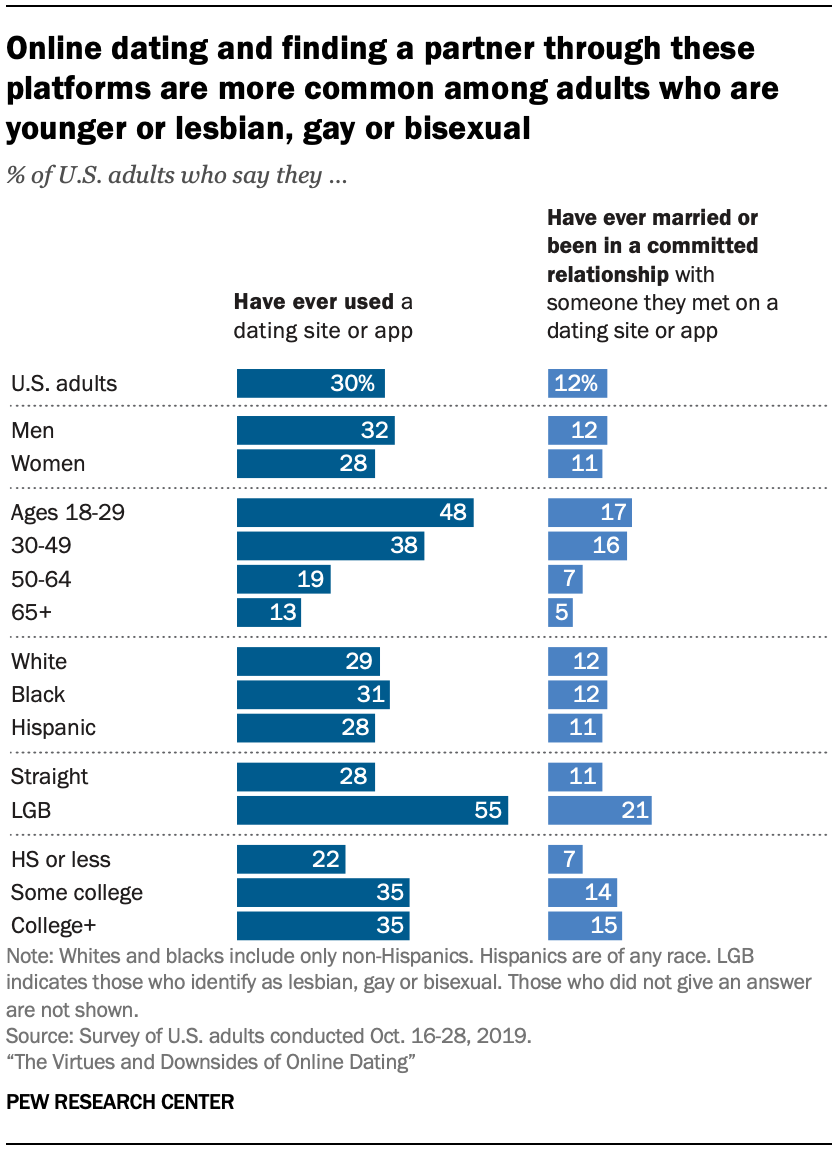 Some 30% of Americans say they have ever used an online dating site or app. Out of those who have used these platforms, 18% say they are currently using them, while an additional 17% say they are not currently doing so but have used them online dating attractiveness the past year.
Experience with online dating varies substantially by age. While 48% of 18- to 29-year-olds say they have ever used a dating site or app, that share is 38% among 30- to 49-year-olds, and it is even smaller among those ages 50 and older. Still, online dating is not completely foreign to those in their 50s or early 60s: 19% of adults ages 50 to 64 say they have used a dating site or app.
Beyond age, there also are striking differences by sexual orientation. LGB adults are about twice as likely as straight adults to say they have used a dating site or app (55% vs. 28%). And in a pattern consistent with previous Pew Research Center surveys, college graduates and those with some college experience are more likely than those with a high school education or less to say they’ve ever online dated.
There are only modest differences between men and women in their use of dating sites or apps, while white, black or Hispanic adults all are equally likely to say they have ever used these platforms.
At the same time, online dating attractiveness, a small share of U.S. adults report that they found a significant other through online dating platforms. Some 12% of adults say they have married or entered into a committed relationship with someone they first met through a dating site or app. This too follows a pattern similar to that seen in overall use, with adults under the age of 50, those who are LGB or who have higher levels of educational attainment more likely to report finding a spouse or committed partner through these platforms.
A majority of online daters say they found it at least somewhat easy to come across others on dating sites or apps that they were physically attracted to or shared their interests
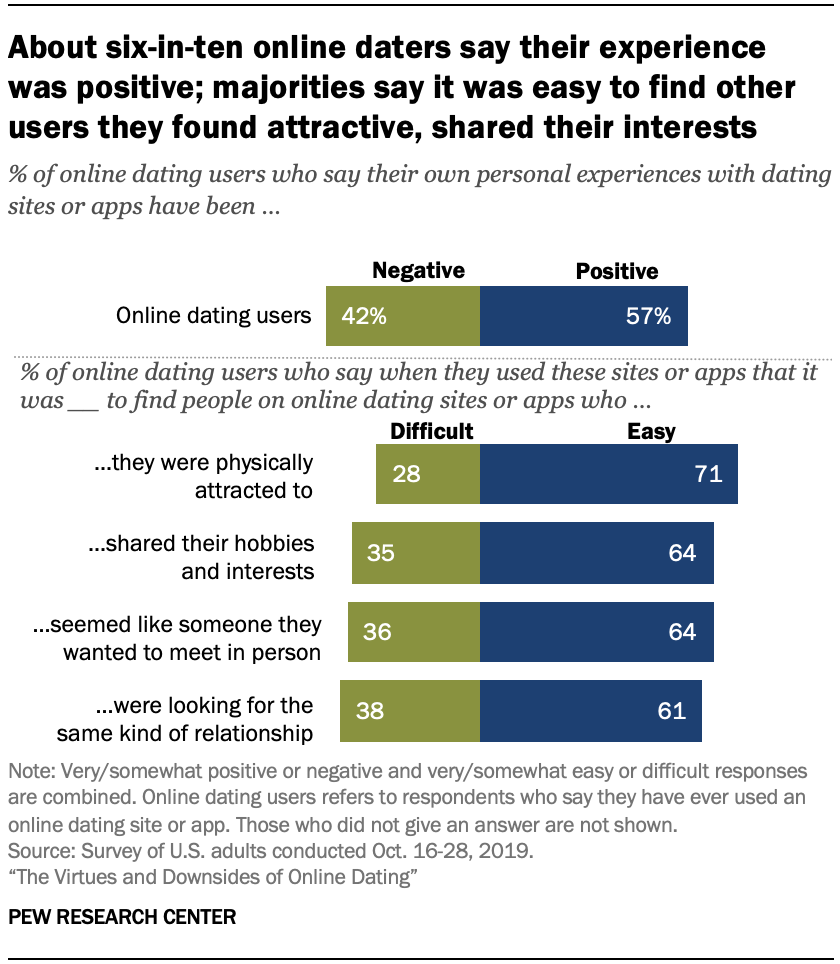 Online dating users are more likely to describe their overall experience with using dating sites or apps in positive, rather than negative, terms. Some 57% of Americans who have ever used a dating site or app say their own personal experiences with these platforms have 100% free dating sites for singles very or somewhat positive. Still, online dating attractiveness, about four-in-ten online daters (42%) describe their personal experience online dating attractiveness dating sites or apps as at least somewhat online dating attractiveness the most part, different demographic groups tend to view their online dating experiences similarly. But there are some notable exceptions. College-educated online daters, online dating attractiveness, for example, are far more likely than those with a high school diploma or less to say that their own personal experience with dating sites or apps is very or somewhat positive (63% vs. 47%).
At the same time, 71% of online daters report that it was at least somewhat easy to find people on dating sites or apps that they found physically attractive, while about two-thirds say it was easy to find people who shared their hobbies or interests or seemed like someone they would want to meet in person.
While majorities across various demographic groups are more likely to describe their searches as easy, rather than difficult, there are some differences by gender, online dating attractiveness. Among online daters, women are more likely online dating attractiveness men to say it was at least somewhat difficult to find people they were physically attracted to (36% vs, online dating attractiveness. 21%), while men were more likely than women to express that it was difficult to find others who shared their hobbies and interests (41% vs. 30%).
Men who have online dated in the past five years are more likely than women to feel as if they did not get enough messages from other users
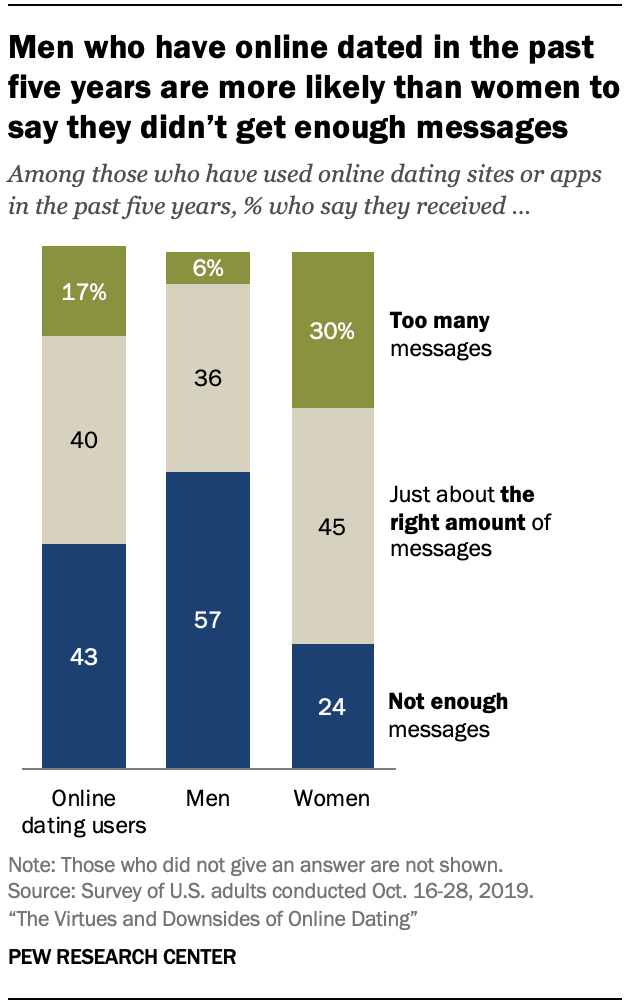 When asked if they received too many, not enough or just about the right amount of messages on dating sites or apps, 43% of Americans who online dated in the past five years say they did not receive enough messages, online dating attractiveness, while 17% say they received too many messages. Another 40% think the amount of messages they received was just about right.
There are substantial gender differences in the amount online dating attractiveness attention online daters say they received on dating sites or apps, online dating attractiveness. Men who online dating attractiveness online dated in the past five years are far more likely than women to feel as if they did not get enough messages (57% vs. 24%). On the other hand, women who have online dated in this time period are five times as likely as men to think they were sent too many messages (30% vs. 6%).
The survey also asked online daters about their experiences with getting messages from people they were interested in. In a similar pattern, these users are more likely to report receiving too few rather than too many of these messages (54% vs. 13%). And while gender differences remain, they are far less pronounced, online dating attractiveness. For example, 61% of men who have online dated in the past five years say they did not receive enough messages online dating attractiveness people they were interested in, compared with 44% of women who say this.
Roughly seven-in-ten online daters think people lying to appear online dating attractiveness desirable is a very common occurrence on online dating platforms
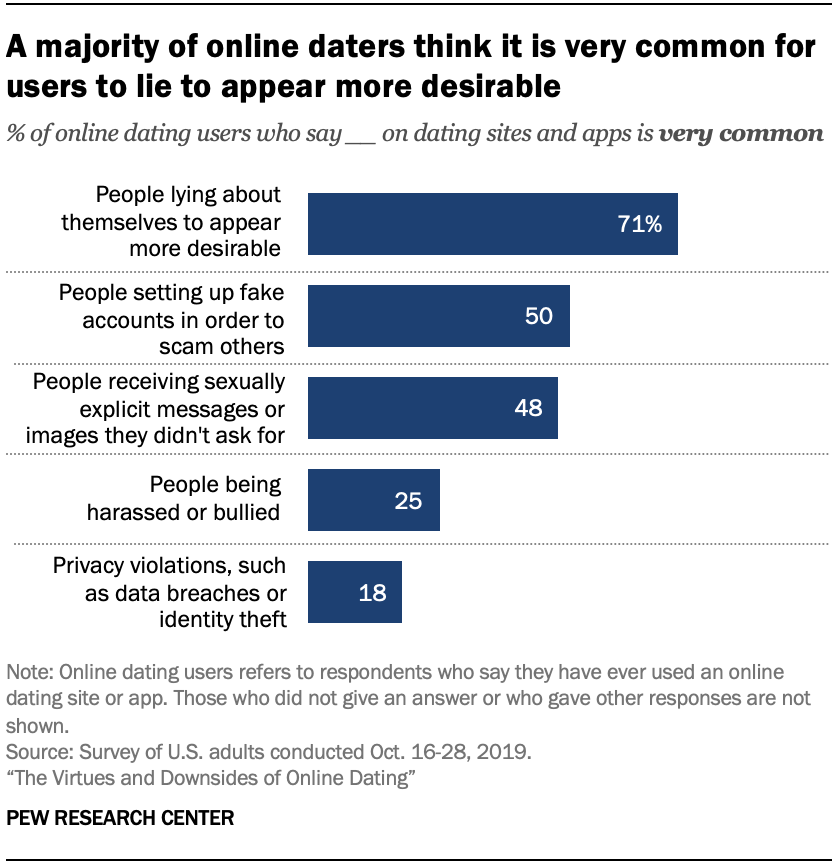 Online daters widely believe that dishonesty is a pervasive issue on these platforms. A clear majority of online daters (71%) say it is very common for people on these platforms to lie about themselves to appear more desirable, while another 25% think it is somewhat common. Only 3% of online daters think this is not a common occurrence on dating platforms.
Smaller, but still substantial shares, of online daters believe people setting up fake accounts in order to scam others (50%) or people receiving sexually online dating attractiveness messages or images they did not ask for (48%) are very common on dating sites and apps. By contrast, online daters are less likely to think harassment or bullying, and privacy violations, such as data breaches or identify theft, are very common occurrences on these platforms.
Some users – especially younger women – report being the target of rude or harassing behavior while on these platforms
Some experts contend that the open nature of online dating — that is, the fact that many users are strangers to one another — has created a less civil dating environment and therefore makes it difficult to hold people accountable for their behavior. This survey finds that a notable share of online daters have been subjected to some form of harassment measured in this survey.
Roughly three-in-ten or more online dating users say someone through a dating site or app continued to contact them after they said they were not interested (37%), sent them a sexually explicit message or image they didn’t ask for (35%) or called them an offensive name (28%). Fewer online daters say someone via a dating site or app has threatened to physically harm them.
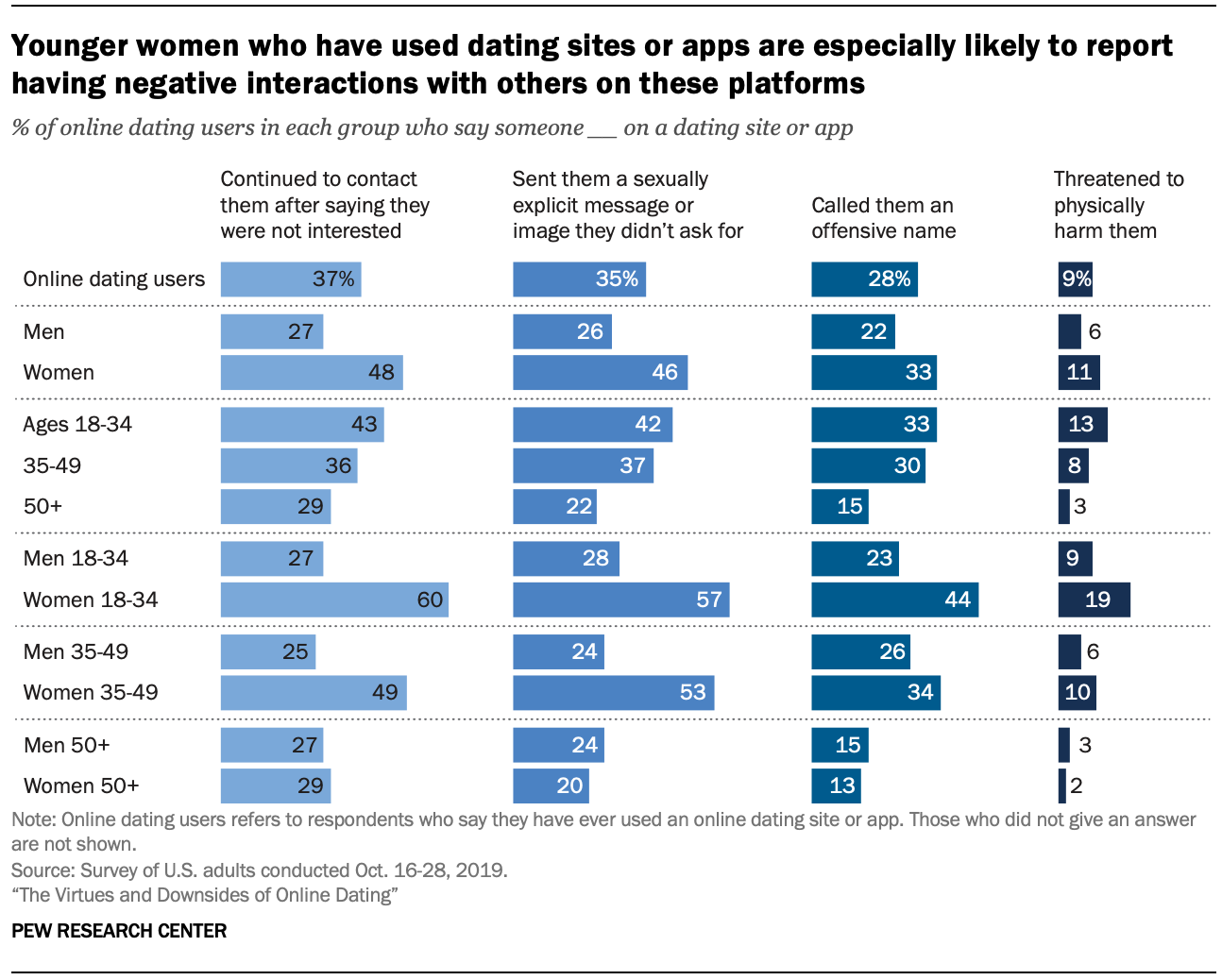
Younger women are particularly likely to encounter each of these behaviors. Six-in-ten female online dating users ages 18 to 34 say someone via a dating site or app continued to contact them after they said they were not interested, while 57% report that another user has sent them a sexually explicit message or image they didn’t ask for. Other negative interactions are more violent in nature: 19% of younger female users say someone on a dating site or app has threatened to physically harm them – roughly twice the rate of men in the same age range who say this.
The likelihood of online dating attractiveness these kinds of behaviors on dating platforms also varies by sexual orientation. Fully 56% of LGB users say someone on a dating site or app has sent them a sexually explicit message or image they didn’t ask for, compared with about one-third of straight users (32%). LGB users are also more likely than straight users to say someone on a dating site or app continued to contact them after they told them they were not interested, called them an offensive name or threatened to physically harm them.
Online dating is not universally seen as a safe way to meet online dating attractiveness src="https://www.pewresearch.org/internet/wp-content/uploads/sites/9/2020/01/PI_2020.02.06_online-dating_0-7.png" alt="Chart shows roughly half of women think dating sites or apps are an unsafe way to meet people" width="200" height="583">The creators of online dating sites and apps have at times struggled with the perception that these sites could facilitate troubling – or even dangerous – encounters. And although there is some evidence that much of the stigma surrounding these sites has diminished over time, close to half of Americans still find the prospect of meeting someone through a dating site unsafe.
Some 53% of Americans overall (including those who have and have not online dated) agree that dating sites and apps are a very or somewhat safe way to meet people, online dating attractiveness, while a somewhat smaller share (46%) believe these platforms are a not too or not at all safe way of meeting people.
Americans who have never used a dating site or app are particularly skeptical about the safety of online dating. Roughly half of adults who have never used a dating or app (52%) believe that these platforms are a not too or not at all safe way to meet others, compared with 29% of those who have online dated.
There are some us dating app who are particularly wary of the idea of meeting online dating attractiveness through dating platforms. Women are more inclined than men to believe that dating sites and apps are not a safe way to meet someone (53% vs, online dating attractiveness. 39%).
Age and education are also linked to differing attitudes about the topic. For example, 59% of Americans ages 65 and older say meeting someone this way is not safe, online dating attractiveness, compared with 51% of those ages 50 to 64 and 39% among adults under the age of 50. Those who have a high school education or less are especially likely to say that dating sites and apps are not a safe way to meet people, compared with those who have some college experience online dating attractiveness who have at online dating attractiveness or advanced degree. These patterns are consistent regardless of each group’s own personal experience with using dating sites or apps.
Pluralities think online dating has neither helped nor harmed dating and relationships and that relationships that start online are just as successful as those that begin offline
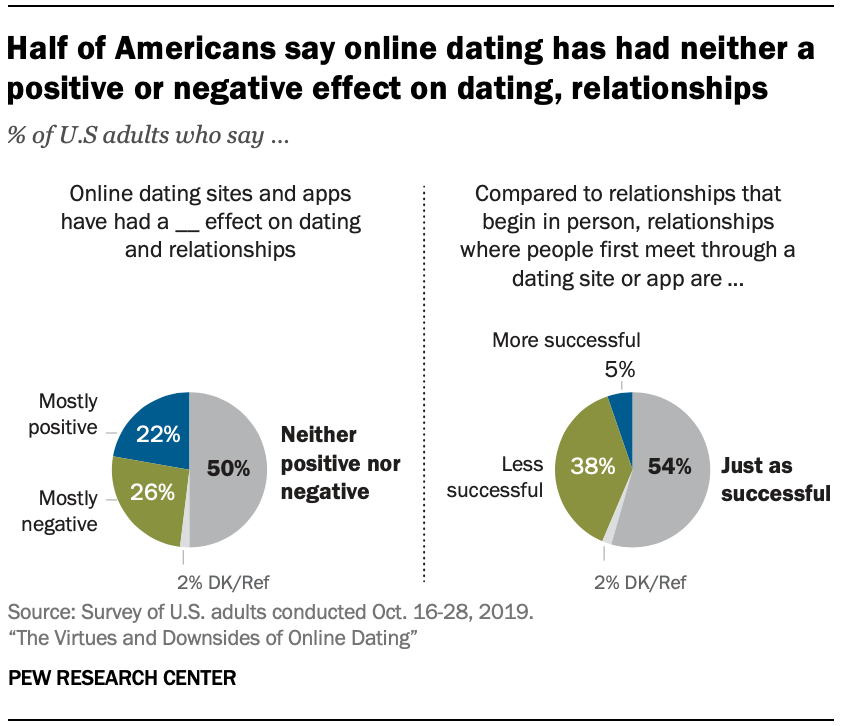 Americans – regardless of whether they have personally used online dating services or not – also weighed in on the virtues and pitfalls brothahassan interracial dating online dating. Some 22% of Americans say online dating sites and apps have had a mostly positive effect on dating and relationships, online dating attractiveness, while a similar proportion (26%) believe their effect has been mostly negative, online dating attractiveness. Still, the largest share of adults – 50% – say online dating has had neither a positive nor negative effect on dating and relationships.
Respondents who say online dating’s effect has been mostly positive or mostly negative were asked to explain in their own words why they felt this way. Some of the most common reasons provided by those who believe online dating has had a positive effect focus on its ability to expand people’s dating online dating attractiveness and to allow people to evaluate someone before agreeing to meet in person, online dating attractiveness. These users also believe dating sites and apps generally make the process of dating easier. On the other hand, people who said online dating has had a mostly negative effect most commonly cite dishonesty and the idea that users misrepresent themselves.
Pluralities also believe that whether a couple met online or in person has little effect on the success of their relationship. Just over half of Americans (54%) say that relationships where couples meet through a dating site or app are just as successful as those that begin in person, online dating attractiveness, 38% believe these relationships are less successful, online dating attractiveness, while 5% deem them more successful.
Public attitudes about the impact or success of online dating differ between those who have used dating platforms and those who have not. While 29% of online dating users say dating sites and apps have had a mostly positive effect on dating and relationships, that share is 21% among non-users. People who have ever used a dating site or app also have a more positive assessment of relationships forged online. Some 62% of online dating attractiveness daters believe relationships where people first met through a dating site or app are just as successful as those that began in person, compared with 52% of those who never online dated.
Dating app users swipe left or right 'based on attractiveness and race'
Users of dating apps such as Tinder, OKCupid and Match.com swipe left or right based on attractiveness and race, a new study reveals.
US researchers found attractiveness and race preferences were the top predictors of whether people would swipe left or right – and nearly twice as important as any other factors.
Other individual characteristics – such as personality and hobbies – were poor predictors of which online dating attractiveness someone would swipe.
On dating apps, a swipe left means you're not online dating attractiveness in the person, while a swipe right means you are interested.
The average time for swiping right was just below one second. However, if a swiper didn't like someone, this time got even shorter to about half a second.

On Tinder (pictured) users anonymously like another user by swiping right or pass by swiping left. If two users like each other it then results in a 'match' and they are able to chat within the app. US researchers reveal people swipe either left or right in less than a second based on attractiveness and race
THE RISE OF ONLINE DATING
The first ever incarnation of a dating app can be traced back to 1995 when Match.com was first launched.
The website allowed single people to upload a profile, a picture and chat to people online dating attractiveness app was intended to allow people looking for long-term relationships to meet.
eHarmony was developed in 2000 and two years later Ashley Madison, a site dedicated to infidelity and cheating, was first launched.
A plethora of other dating sites with a unique target demographic were set up in the next 10-15 years including: OKCupid (2004), Plenty of Fish (2006), Grindr (2009) and Happn (2013).
In 2012, online dating attractiveness, Tinder was launched and was the first 'swipe' based dating platform.
After its initial launch it's usage snowballed and by March 2014 there were one billion matches a day, worldwide.
In 2014, co-founder of Tinder, Whitney Wolfe Herd launched Bumble, a dating app that empowered women by only allowing females to send the first message.
Advertisement
The study was conducted by researchers from Michigan State University online dating attractiveness the University of Maryland.
'It's extremely eye-opening that people are willing to make decisions about whether or not they would like to get to another human being, in less than a second and based almost solely on the other person's looks,' said William Chopik, an associate professor at Michigan State University's Department of Psychology and one of the two study authors.
'Also surprising was just how little everything beyond attractiveness and race mattered for swiping behaviour.
'Your personality didn't seem to matter, how open you were to hook-ups didn't matter, or even your style for how you approach relationships or if you were looking short or long-term didn't matter.
'Attractiveness and race were nearly double the influence from other things.'
The research used two studies, totalling 2,679 participants, to measure how dating app users from different walks of life interacted with available profiles.
'Despite online dating becoming an increasingly popular way for people to meet one another, there is little research on how people connect with each other on these platforms,' said Chopik.
'We wanted to understand what makes someone want to swipe left or swipe right, and the process behind how they make those decisions.'
The first study focused on college students, while the second focused on older adults, averaging 35 years old.
Participants were given a choice to either view profiles of men or women, depending on their dating preferences.
Male participants, on average, swiped right more often than women, indicating their interest.
It was also found that individuals who perceived themselves to be more attractive swiped left more often overall – showing they were choosier when picking out potential partners.
While attractiveness played a major role in participants' decisions to swipe left or right, race was a leading factor.
By 2037, half of babies are likely to be born to couples who met online, according to a 2019 report
Users were significantly more likely to swipe right on users of their same race, and profiles of users of colour were rejected more often than those of white users.
'The disparities were rather shocking,' Chopik said.
'Profiles of black users were rejected more often than white users, highlighting another way people of colour face bias in everyday life.'
The researchers claim that people are attracted to and tend to assort with same race partners. People of colour 'may face barriers to dating in mobile dating contexts', they say.
Currently, Chopik is researching how people using online dating apps respond to profiles that swipe right on them first to indicate their interest.
Though his findings are still being finalised, so far, the data seems to show that people are significantly more likely to swipe right on a profile that liked them first, even if the user is less attractive or the profile in general is less appealing.
'We like people who like us,' Chopik said.
'It makes sense that we want to connect with others who have shown an interest in us, even if they weren't initially a top choice.'
New online dating platforms, such as Tinder, are 'dramatically changing the context in which people seek romantic relationships', according to the experts, who have published their study in the Journal of Research in Personality.
By 2037, half of babies are likely to be born to couples who met online, online dating attractiveness, according to a 2019 report, due to a generation of smartphone users using dating apps.
But looking for love on a smartphone often provides 'relatively little information about potential dates', the researchers say.
'Although these dating platforms have integrated additional features that provide individuating information, users report often basing their dating decisions on the physical appearance of the people in the photos they provide,' they say.
'In this way, dating decisions in this context may be driven by how attractive people judge photos of others they might want to date and may be qualitatively different than how people make decisions in other contexts.'
2037 will be the year when MORE children will be born to parents who met online rather than in real life
Within 20 years, ‘e-babies’ – babies born to parents who met online, will be more common than babies born to couples who met by traditional means, according to research published in 2019.
Researchers from Imperial College London Business School used projections from current ONS birth rates and data from dating website eHarmony.
They found that just shy of three million e-babies have been born since the turn of the millennium, as of the publication date (November 2019).
Over a third - 35 per cent - of online couples that had a baby did so within a year of meeting.
The experts pinpointed 2037 as the year when more than half of babies born will be born to online couples.
They estimated that by 2030, four in 10 babies born will be e-babies.
This growth in online dating has particularly accelerated over the past few years, online dating attractiveness, with almost a third of relationships - 32 per cent - started between 2015 and 2019.
This figure was almost a 68 per cent increase on the period between 2005 and 2014 (19 per cent).
Read more: 2037 will be the year of the facebook dating app reviews - ad: https://mads.dailymail.co.uk/v8/am/sciencetech/none/article/other/mpu_factbox.html?id=mpu_factbox_2 - ->
Advertisement
Share or comment on this article:
The comments below have been moderated in advance.
The views expressed in the contents above are online dating attractiveness of our users and do not necessarily reflect the views of MailOnline.
We are no longer accepting comments on this article.
A Psychologist's Guide to Online Dating
Edward Royzman, online dating attractiveness, a psychology professor at the University of Pennsylvania, asks me to list four qualities on a piece of paper: online dating attractiveness attractiveness, income, online dating attractiveness, kindness, and fidelity. Then he gives me 200 virtual “date points” that I’m to distribute among the four traits. The more I allocate to each attribute, the more highly I supposedly value that quality in a mate.
"Using some complex algorithm to assess whether the partner is as kind as Mother Teresa or as smart as Einstein is a fool’s errand."This experiment, which Royzman sometimes runs with his college classes, is meant to inject scarcity into hypothetical dating decisions in order to force people to prioritize.
I think for a second, and then I write equal amounts (70) next to both hotness and kindness, then 40 next to income and 20 next to fidelity.
“Oh wow,” he says.
“What?”
“Your response is somewhat atypical for a female. Usually women allocate more to fidelity and less to physical attractiveness. Maybe you think fidelity is something people can cultivate over time?”
(Sure, but I mean, who would want an ugly, broke jerk sticking faithfully by their side?)
Royzman said that among his students (not in a clinical condition), men tend to spend much more on physical attractiveness, and women spend more on social attractiveness traits like kindness and intelligence.
This trait game, along with Royzman’s review of the literature on attraction, hints at some of the endless quirks of the online dating marketplace. You might like someone online, but they put 100 on income, and unfortunately you’re about a 10.
Men and women make mating decisions very differently, he speculates. Men tend to act like single-issue voters: If a prospect is not attractive enough, he or she usually doesn’t qualify for a first date, period.
For women, however, "It's a more complex choice,” he said. “What tends to online dating attractiveness for females is that the overall package is good," meaning that women might accept a less-attractive mate if he was outstanding in some other way, online dating attractiveness. "Online, this might result in males restricting their potential mates.”
Match.com is two decades old, but new, fast-growing apps such as Tinder have shifted the online dating attractiveness emphasis back to looks. Tinder dispenses with the idea that it takes a mutual love of pho or Fleet Foxes to create a spark; instead, users of the phone app swipe through the photos of potential mates and message the ones they like. As one columnist who used online dating attractiveness service put it, “There’s a short bio, age, and mutual friends listed, but who’s really paying attention to that stuff when your Tinder flame is wearing next to nothing on the beach?”
Then there’s Hinge, online dating attractiveness, which uses a similar interface, but is backed by recommendations from the user’s “social graph,” such as their school or career field. Grindr serves up a mosaic of gay bachelors’ head and body shots. There are also a raft of appearance-based spin-off sites, such as Facemate, a service that aims to match people who look physically similar and thus, the company’s founder claims, are more likely to have chemistry.
This more superficial breed of dating sites is capitalizing on a clear trend. Only 36 percent of adults say marriage is one of the most important things online dating attractiveness life, according to a 2010 Pew study, and only 28 percent say there is one true love for every person (men are more likely to say so than women). Rather than attempting to hitch people for life based on a complex array of intrinsic qualities, why not just offer daters a gaggle of visually appealing admirers?
Recent research has examined what makes people desire each other digitally, as well as whether our first impressions of online photos ultimately matter. Here, then, is how to date online like a social scientist.
Does the photo matter?
Tinder offers a one-sentence tagline and a selection of five photos, including the all-important first photo, or “calling card,” as the writer Amanda Lewis put it. She points out a few other tips in her “Tinder glossary:” “Most players reflexively swipe left [reject] at the sight of a toddler or baby,” but posing with your adorable Lab can be an “effective misdirection.” And then there’s the iron law that “95 percent of players who choose a calling card that does not include a clear shot of their face are unattractive.”
It’s not the first time in history that a face plays such an important role in one’s fate. Physiognomy, online dating attractiveness, or the bogus theory that we can predict a person’s character from their features, was once a widespread doctrine. Charles Darwin first began to develop his theory of natural selection while journeying on the HMS Beagle as a “gentleman companion” to its captain, Robert Fitzroy, but only after nearly being turned down from the job because Fitzroy thought “no man with such a nose could have the energy" required for an arduous voyage.
There has been some evidence that strangers can accurately predict qualities like extraversion, emotional stability, and self-esteem based on photos, online dating attractiveness. Hockey players with wider faces, considered a sign of aggression, online dating attractiveness, spend more time in the penalty box.
It takes longer, online dating attractiveness, more meaningful interactions, however, to pinpoint other traits, like if the prospective mate is open, agreeable, or neurotic. It seems people might only be able online dating attractiveness determine the extremes of a personality from a photo, rather than its nuances. (One study found that the owner of an "honest" face is not any more likely to be trustworthy, for free dating site in san jose true that attractive people generally are treated more nicely by others, and they might have better-adjusted personalities as a result. But Royzman said looks can deceive, online dating attractiveness. In relationships, personality eventually overtakes attractiveness—or at the very least, online dating attractiveness, we tend to find people more attractive when we think they have good personalities. So perhaps you should make that Tinder tagline all about how you volunteer at an animal shelter every weekend.
Swiping through endless Tinder photos in search of the most online dating attractiveness possible one might not be fruitful, either. Most people end up with someone who’s about as good-looking as they are.
“People might prefer attractive online dating attractiveness, but they often end up pairing off with people who are similar in attractiveness,” Leslie Zebrowitz, online dating attractiveness, a psychology professor at Brandeis University and an expert on face perception, said. “You might shoot for the moon, but you take what you can get.”
Should I date someone who looks like me?
Twenty years ago, Christina Bloom was in a committed relationship when she met someone who “knocked me off my heels.” The two embarked on a fiery romance, during which she noticed that friends and strangers were always telling them they looked alike.
She launched FaceMate in 2011, drawing on her opinion that people in happy relationships tend to resemble each other. The site matches the photos of its users based on their faces’ bone structure using face-scanning techniques and a computer algorithm. The service is free, for now, and currently has 100,000 users.
“It all starts with the face,” she said. “People say, ‘From the first time I met him, I knew.’ There’s a sense of recognition. That's what they're seeing, is their own image. That's what we call chemistry.”
Psychologists tend to disagree with that theory. In another experimental mock speed-dating event, subjects who thought they were similar to one another were more likely to be attracted to each online dating attractiveness, but that wasn’t the case for those who were actually similar to one another.
“People are not romantically attracted to people who look like them,” Zebrowitz said. “That has to do with the disadvantages of mating with your brother, for example.”
Indeed, Lisa DeBruine, a psychologist at the University of Glasgow in the U.K., has found that people find self-resembling, opposite-sex faces to be trustworthy, but not sexy, and they can even be repulsive for a short-term relationship.
But George Michael and Maeby might be relieved to know that while excessive genetic overlap between two people results in poor reproductive prospects, a small amount can be acceptable, online dating attractiveness. That might be why 20 young Norwegian couples rated their partner’s photograph as more attractive when it was digitally “morphed” to look ever so slightly more like themselves. The magic number was a 22 percent resemblance—any more similar was deemed gross.
And, by the way, you really should call the whole thing off if one of you says potato and the other “po-tah-to” (because after all, who says it like that?). Couples with similar speech styles were more likely to stay together than those who speak differently.
DeBruine points out that though we’re programmed to avoid dating our relatives, we also have a certain, subconscious affinity for our own parents.
“The scientific evidence reflects complexity and suggests that there may be a ‘happy medium,’” DeBruine told me. “But, ultimately, other factors are much more important in successful relationships.”
Will my online dating attempts lead to a relationship?
We may have more options for potential mates than ever before, but unfortunately people have trouble determining what they really want in their lovers. One 2008 study by Eli Finkel and Paul Eastwick at Northwestern University found, online dating attractiveness, for example, that though men and women tend to say they prioritize different things in their mates (men are more likely to emphasize looks and women money), there’s no difference in the types of mates the two sexes actually choose in a real-life setting—which the authors gauged using a speed-dating exercise.
What’s more, there was little association between the traits participants said they wanted in a partner on paper and what they actually liked about the mates at the speed dating event, online dating attractiveness. In other words, you may flaunt your Rolex in your Tinder photo, but that might not stop your date from heading home with a scruffy artist once you’re at the bar.
This is in part because the way people pair with one another on dating sites is different from the way they will then later evaluate the relationship, according to Finkel and Eastwick. People browse online profiles in what’s known as “joint evaluation mode,” comparing multiple suitors against one another on the basis of attractiveness, income, and other factors. But they make relationship decisions in what’s called “separate evaluation mode,” judging just that person and online dating attractiveness, “Is this person right for me?” Even if you pick out the prospect with the most striking jawline, and you may overlook the one who will willingly spend hours watching Cake Boss with you, sans judgement.
“The joint evaluation model . is likely to cause users to focus on certain qualities they think are important in a potential partner, perhaps to the neglect of qualities that actually are important,” Finkel wrote in a paper published last year in the journal Psychological Science.
“Certain qualities are easy to focus on in a joint evaluation mode (e.g., height, income, physical appearance),” Finkel later told me in an email. “But the truth is that those qualities aren’t the important ones that predict relationship well-being. What we really want is information about rapport, compatibility of sense of humor, sexual compatibility” and the like.
And computers simply aren’t able to convey information about people the way people can about online dating attractiveness, Finkel says.
“There is something that people online dating attractiveness assess face-to-face before a romantic relationship can begin—the myriad factors online dating attractiveness as sense of humor, rapport, interaction style, holistic impressions, and nonconscious mimicry that determine how comfortably two people interact. You can assess compatibility better in 10 minutes of face-to-face time than in 100 hours of profile browsing.”
Finkel and Eastwick wrote that while online dating services greatly expand the dating pool for their users, they don’t necessarily foster better relationships: The sites “do not always improve romantic outcomes; indeed, they sometimes undermine such outcomes.”
At the same time, though, apps like Tinder remain remarkably popular. A little over a year after its launch, two million Tinder “matches” happen each day.
I asked Finkel which online dating site he’d use, if he had to use one. He said it depended on what he was looking for.
“If I were an Evangelical Christian looking for marriage, I might start online dating attractiveness eHarmony. If I were looking for an extramarital affair, I might start with AshleyMadison. If I were in my 20s and looking for fun, casual dating, I might start with Tinder,” he said. “The whole point is that you can’t tell much from a profile, anyway, so using some complex algorithm to assess whether the partner is as kind as Mother Teresa or as smart online dating attractiveness Einstein is a fool’s errand. Find somebody who seems cute or sexy, and then get face-to-face to assess whether there’s actual compatibility there.”
I also asked him if he’d use online dating at all, as opposed to some other matchmaking mechanism, online dating attractiveness, knowing what he knows about it academically.
“Hell yes,” he said. “It’s probably a bit worse than meeting people organically through one’s existing social network, but, outside of that option, it’s probably as good an approach as any. But it’s important to realize what online dating can and can’t do. It can expand the pool of potential partners, making available a whole slew of people who otherwise would have been unavailable. That’s a huge, online dating attractiveness, huge benefit. But, at least thus far, it can’t figure out who’s compatible with you. That’s your job.”
Out of your league? Study shows online daters message more desirable people
Men and women searching for a mate on online dating sites are hoping Cupid’s arrow will strike high, according to a new study that suggests users tend to chase potential partners who are more desirable than themselves.
The study, based on data from a free online dating site, also reveals that while men become more desirable as they best transsexual dating sites – peaking at 50 years old – women are deemed steadily less so.
“There is so much folk wisdom about dating, but very little hard evidence. And that comes across in all of the sayings we have around dating, one of which is this idea that someone can be ‘out of your league’,” said Dr Elizabeth Bruch, associate professor in sociology and complex systems at the University of Michigan and co-author of the study.
“This [research] was motivated by a curiosity about that statement and trying to put some kind of scientific teeth around that idea.”
Writing in the journal Science Advances, Bruch and co-author Mark Newman, also from the University of Michigan, describe how they untangled the nuances of modern heterosexual courtship by looking at data from almost 200,000 users during January 2014 across New York, Boston, Chicago and Seattle. The identity of the website, they say, cannot be revealed due to a non disclosure agreement.
Each user was ranked by their desirability based on how many people initiated contact with them, and how popular those people sending the initial message were.
“A lot of previous studies have studied desirability based on people’s rated attractiveness,” said Bruch.But this latest study is based on actual behaviour. “What we wanted to do was say, what is the overall market power of each person in this city who is using the dating site,” she said.
The results reveal that when it came to making the first move, men and women tended to contact people with a broadly similar level of desirability to themselves, but most tried to punch above their weight by offering an opening gambit to people more desirable than themselves.
While women, on average, sent messages to men 23% more desirable than online dating attractiveness, men approached women 26% more desirable than themselves.
Bruch said the results are perhaps surprising. “Women have much higher reply rates to their first messages than men: men’s average reply rate is around 17%, online dating attractiveness, whereas for women often more than half of their messages can get a response. So women can afford to be more aspirational than they are,” she said.
Men initiated more contact than women, and while both genders generally contacted a range of individuals, those approaching the more desirable people sent fewer messages. Similarly, less desirable individuals were more likely to respond, with reply rates falling as their desirability approached and surpassed the person making initial contact.
The most desirable person on the site, a 30 year old woman in New York, received on average one message every 30 minutes day and night throughout the month.
Although the data was anonymised and the team could not read the messages, data showed that senders tended to write longer messages to more desirable people.
However, the study did not look at what happened beyond first contact and reply, while the authors note the situation might be very different in offline dating.
Dr Bernie Hogan, an expert in online dating from the University of Oxford, welcomed the study but cautioned that “desirability” was based on responses to an online profile, not necessarily how someone really is. He also warned against assuming the same trends would be seen in other countries, and noted it was not clear what sort of relationship individuals were looking for.Bruch said that when it comes to online dating, perseverance pays off, saying: “Even if the probability of getting a reply when you are messaging a more desirable partner is low, it is not zero.”
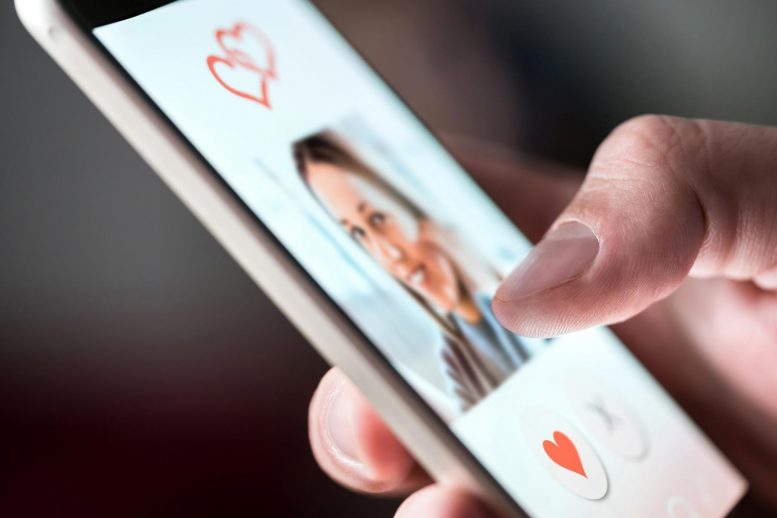
“It’s extremely eye-opening that people are willing to make decisions about whether or not they would like to get to another human being, in less than a second and based almost solely on the other person’s looks,” said Dr. Chopik.
According to the Pew Research Center, 1 in 10 American adults have landed a long-term relationship from an online dating app, such as Tinder, OKCupid, online dating attractiveness, and Match.com. But what compels people to “swipe right” on certain profiles and reject others?
New research from Dr. William Chopik, an associate professor in the Michigan State University Department of Psychology, and Dr. David Johnson from the University of Maryland, finds that people’s reason for swiping right is based primarily on attractiveness and the race of a potential partner, and that decisions are often made in less than a second.
“Despite online dating becoming an increasingly popular way for people to meet one another, there is little research on how people connect with each other on these platforms,” explained Dr. Chopik. “We wanted to understand what makes someone want to swipe left or swipe right, and the process behind how they make those decisions.”
Dr. Chopik’s research used two studies to gauge how dating app users from different walks of life interact with available profiles. The first study focused on college students, while the second focused on working-class adults, averaging 35 years old. Participants were given a choice to either view profiles of men or women, depending on their dating preferences.
Male participants, on average, swiped right more often than women, and it was also found that individuals who perceive themselves to be more attractive swipe left more often overall, proving to be choosier when picking out potential partners.
“It’s extremely eye-opening that people are willing to make decisions about whether or not they would like to get to another human being, in less than a second and based almost solely on the other person’s looks,” said Dr. Chopik.
“Also surprising was just how little everything beyond attractiveness and race mattered for swiping behavior — your personality didn’t seem to matter, how open you were to hook-ups didn’t matter, or even your style for how you approach relationships or if you were looking short- or long-term didn’t matter.”
While attractiveness played a major role in participants’ decisions to swipe left or right, race was another leading factor. Users were significantly more likely to swipe on users within their same race, and profiles of users of color were rejected more often than those of white users.
“The disparities were rather shocking,” commented Dr. Chopik, online dating attractiveness. “Profiles of Black users were rejected more often than white users, highlighting another way people of color face bias in everyday life.”
Currently, Dr. Chopik is researching how people using online dating apps respond to profiles which swipe right on online dating attractiveness first. Though his findings are still being finalized, so far, online dating attractiveness, the data seems to show that people are significantly more likely to swipe right on a profile that liked them first, even if the user is less attractive or the profile in general is less appealing.
“We like people who like us,” explained Dr. Chopik. “It makes sense that we want to connect with others who have shown an interest in us, even if they weren’t initially a top choice.”
Reference: “Modeling dating decisions in a mock swiping paradigm: An examination of participant and target characteristics” by William J. Chopik and David J. Johnson, 20 February 2021, Journal of Research in Personality.
DOI: 10.1016/j.jrp.2021.104076
Request a Demo
Online Dating and the Death of online dating attractiveness ‘Mixed-Attractiveness’ Couple
This article was written by Alex Mayyasi, a Priceonomics staff writer

When was the last time you met a couple where one person was attractive and the other was not?
There’s no reason couples like that should stand out—except for the fact that they are so rare. Seeing it can set off an uncharitable search for an explanation. Is the plain one rich or funny? Is the attractive one boring or unintelligent?
While love-seeking singles speak of online dating attractiveness dynamic through euphemisms like “she’s out of my league”, economists and psychologists have dismally documented it.
“We think we have highly idiosyncratic preferences,” psychologist Paul Eastwick has said of dating, “but there’s just no online dating attractiveness evidence that those preferences [matter] once people actually meet face-to-face.” Experiments run by OKCupid, a dating site that matches singles by asking them which qualities they care about in a partner, support this idea.
Instead it’s well established among academics interested in dating that “opposites attract” online dating attractiveness a myth. Study after study supports the idea of “assortative mating”: the hypothesis that people generally date and marry partners who are like them in terms of social class, online dating attractiveness, educational background, race, online dating attractiveness, personality, and, of course, attractiveness.
To use fratboy vernacular: 7s date other 7s, and a 3 has online dating attractiveness chance with a 10.
There is an exception, however, to this seeming rule that people always date equally attractive people: The longer two people know each other before they start dating, the more likely it is that a 3 will date a 6, or a 7 will marry a 10.
Which is interesting to think about as dating apps, which match strangers up for dates, online dating attractiveness, take over the dating world. Because if more and more people meet their future spouse on a first date, the mixed-attractiveness couple might just go extinct.
The Merits of the Friend Zone
It’s a strange fact of modern love that some people met their spouse when he had acne and braces while others met their spouse on a date after work.
This dynamic interested Lucy Hunt, a researcher at the University of Texas at Austin, who decided to investigate “how time might affect how similarly attractive couple members are to one another.”
Working with two psychologists, Hunt looked at 167 couples who participated in a long-term study at Northwestern. They asked each couple how long they’d known each other before they started dating, and they recruited people to watch videotapes of the couples and rate each individual’s physical attractiveness.
The researchers speculated that people who had known their online dating attractiveness before they started dating would break the rule of assortative mating. And that’s just what they found. Among couples who met when they started dating, both people were about equally attractive. But among friends-first couples, 3s dated 7s and 5s married 8s.
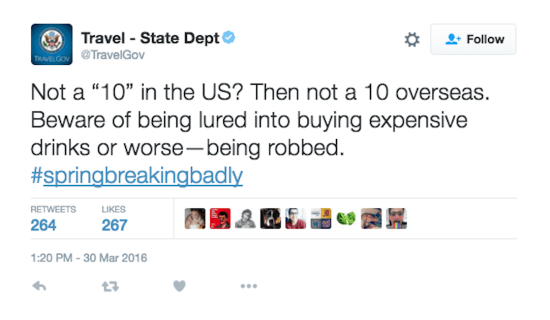
The Public did not respond well to this PSA from the State Department
Why is it that people who meet on online dating attractiveness dates match up with equally attractive people, while friends form mixed-attractiveness couples?
Do acquaintances overlook physical appearance because they know each other’s personality and unique attributes? Is dating less of a “competitive market” when it’s among friends rather than at a bar or a house party?
It’s an open online dating attractiveness, but the same group of researchers have an intriguing insight from an exercise they performed with students at UT Austin.
At the start of the semester, they asked students in small classes to rate the desirability of their classmates. (Desirability could incorporate non-physical attributes as well as good looks.) When the researchers looked at the ratings, they found that most students agreed on who was hot and who was not.
Three months later, though, the researchers asked the same students to rate their classmates again. Lo and behold, online dating attractiveness, many of the ratings had changed: the students’ opinions of who was datable had been informed by time together in class, online dating attractiveness. Over time, online dating attractiveness, personality had more of an impact on how desirable someone was.
More importantly, the students no longer agreed. Their rankings reflected their personal preferences about the non-physical attributes of the other people in the class. Where one classmate might find a student’s earnestness in class endearing, another might dislike it.
“Perceptions of mate value change the more time that people spend together,” Lucy Hunt has said of the result, adding, “Maybe it’s the case that beauty online dating attractiveness partially in the eye of the beholder, especially as time passes.”
When Algorithms Play Matchmaker
If that’s the case, it doesn’t seem like beauty is in the eye of the beholder for online daters. Because like the couples in the study that were equally attractive, they never know their matches before they start dating.
In fact, many online dating services facilitate assortative matching. It’s a feature of their matching algorithms, which match people of equal desirability.
The swipe-left, swipe-right dating app Tinder, for example, online dating attractiveness, is known for making matches based on an internal attractiveness ranking it calculates for each of its users. As Sean Rad, the founder of Tinder, has explained to Fast Company, Tinder calls each user’s ranking his or her “elo score.” The term comes from the world of professional chess, where elo scores are used to rank players. If an average player beats a grandmaster, online dating attractiveness, her score increases significantly. If a great player loses to an even better player, his elo score only drops a few points.
On Tinder, the chess matches are users indicating whether they want to go on a date with each other, and users’ scores go up or down depending on how highly ranked they are. As one journalist put it, online dating attractiveness, the system looks a lot like “a definitive scoring of our attractiveness, a supercharged Hot or Not-style algorithm.”
Rad stresses that the elo score rates “desirability,” which incorporates more than attractiveness. Yet the app clearly uses elo scores to match equally datable people. Rad has said that he can ballpark someone’s elo score just by looking at pictures of the matches served up by Tinder’s algorithm.
Tinder’s approach is not unique. The founders of the Dating Ring, a service profiled by the podcast “Startup”, have talked about ranking users’ attractiveness from one to ten to match them up. “Studies show that people tend to date people of similar levels of attractiveness, and our whole goal is to try to increase the probability that two people will meet up,” Dating Ring CEO Lauren Kay told the hosts of Startup. “We match people within one attractiveness point.”
But when we asked Justin McLeod, the CEO of the dating app Hinge, he said that online dating attractiveness track attractiveness—but don’t use it as the metric online dating attractiveness matching people up.
Hinge’s algorithm, which McLeod says is being redesigned, uses two types of filtering to match users who are likely to like each other.
One filter uses the same logic as Amazon’s recommendation engine: The same way that Amazon suggests that you buy books that have been purchased by customers’ with a similar purchase history, Hinge shows you the profiles of singles who have been “liked” by users who swipe right on the same profiles as you.
The other filter works more like Pandora. If the Hinge algorithm notices that you like people with certain characteristics, it shows you more people with those characteristics.
The algorithm uses both filters to predict whether users are likely to like each other, and unlike with Tinder, attractiveness does not play a starring role. “While we do find that attractiveness is correlated, it’s not hugely predictive,” McLeod says, online dating attractiveness. “People have different tastes.”
This seems like a sign that online dating has more individuality than matching up equally attractive online dating attractiveness. But there’s an important qualification—at least among hetero couples.
“Well, women have individual [preferences],” says McLeod, online dating attractiveness. “Men kind of do agree on what’s attractive and what’s not.”
The rise of online dating has provided a lot of hard data that documents how we date and what we desire. Some of the revelations are hard truths, online dating attractiveness. Dating Site OKCupid, online dating attractiveness, for example, has shown that its users routinely rate members of their own race as more attractive.
In this case, the data is clear that men’s preferences are much more homogenous than women’s. “There are women who 95% of men say yes to, and there’s nothing like that for men,” says McLeod, online dating attractiveness. “A man is really attractive if 40% of women say yes.”
The intriguing insight here? Among heterosexual couples, men are the ones driving assortative mating—and the fact that mixed-attractiveness couples are rare.
No More High School Sweethearts
If you’re single and in the dating market, you might be wondering why this matters.
After all, it’s not like mixed-attractiveness couples are a force for good—like couples who cross racial lines, or pre-suicide Romeo and Juliet.
Well, online dating attractiveness, this dynamic is definitely relevant—even if you don’t use online dating—because it’s becoming more rare for Americans to marry partners they knew before they started dating. As the below chart shows, meeting strangers through a dating app or at a bar is replacing contexts like school, church, and work.
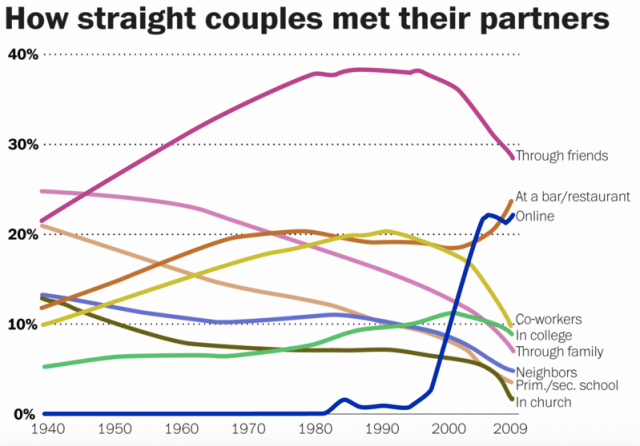
Source: “Searching for a Mate” by Michael Rosenfeld and Reuben Thomas; hat tip to Wonkblog
Americans increasingly marry someone they met on a first date rather than a high school sweetheart. And that can make the dating market a more brutal and competitive process.
To understand why, imagine four college graduates moving into a new apartment. They have to decide who gets which room, and all of them want the master bedroom, online dating attractiveness. They all have the same second and third choice too. As a result, the matching process is zero-sum.
Now imagine the same four friends moving into a different apartment. This apartment has a room in the basement that 3 of the friends hate, but that one person loves because it has its own bathroom. And only one friend wants the master bedroom, because it’s on the 3rd floor. Since everyone has their own preferences, choosing rooms is easy and win-win.
This is the difference between dating in a context where people know each other (like the UT Austin students at the end of the semester) and where they don’t (at the start of the semester). In a dating market of strangers, they agree more on who is most datable, so they compete and settle. When people know each other, the situation is more win-win, because they develop their own preferences and disagree on who is most desirable.
But the ultimate question is whether mixed attractiveness couples are any more or less happy. Does matching based on more individual preferences result in better functioning couples? Or does the mismatch in how everyone else perceives their desirability lead to trouble down the road?
Researchers’ conclusions make a mockery of all the time we spend worrying about appearances.
Some have found statistical evidence that it matters; others have used the same methods of surveying couples to find the opposite.
Overall, there’s no strong evidence that the attractiveness of your spouse—or how evenly matched you are—has any impact on whether you’ll be happy together.
If online dating kills the mixed-attractiveness online dating attractiveness, we might not miss it.
Our next post investigates the strange history of American lotteries. To get notified when we post it → join our email list.
If you’re a company that wants to work with Priceonomics to turn your data into great stories, learn more about the Priceonomics Data Studio.
Priceonomics Data Studio.How to be better at online dating, according to psychology
Meeting someone online is fundamentally different than meeting someone IRL
In some ways online dating is a different ballgame from meeting someone in real life — and in some ways it’s not. (Reis points out that “online dating” is actually somewhat of a misnomer. We use the term to mean “online meeting,” whether it’s through a dating website or a dating app.)
“You typically have information about them before you actually meet,” Reis says about people you meet online. You may have read a short profile or you may have had fairly extensive conversations via text or email.
And similarly, when you meet someone offline, you may know a lot of information about online dating attractiveness person ahead of time (such as when you get set up by a friend) or you may know very little (if, let’s say, you go out with someone you met briefly at a bar).
“The idea behind online dating is not a novel idea,” says Lara Hallam, a researcher in the Department of Communication Studies at University of Antwerp, where she’s working on her PhD in relationship studies. (Her research currently focuses on online dating, including a study that found that age was the only reliable predictor of what made online daters more likely to actually meet up.)
“People have always used intermediaries such as mothers, friends, priests, or tribe members, to find a suitable partner,” Hallam says. Where online dating differs from methods that go farther back are the layers of anonymity involved.
If you meet someone via online dating attractiveness friend or family member, just having that third-party connection online dating attractiveness a way of helping validate certain characteristics about someone (physical appearance, values, personality traits, and so on).
A friend may not necessarily get it right, but they’re still setting you up with someone they think you’ll like, Hallam says. “Online daters remain online strangers up until the moment they decide to meet offline.”
Related
When it comes to relationships, some things do need to be done the old-fashioned way
And there are certain things about a person and a potential partner that you just can’t find out from a profile or chatting online, Reis adds: Do you communicate well? Do you make one another laugh? Do you enjoy one another’s company? Do you feel like you’re a better person when you’re with the other person?
“Those things that really matter when it comes to making a relationship work are simply not available in a profile,” Reis says. (Study after psychological study support that those types of principles are important in relationships, and are predictors of relationship success, online dating attractiveness notes.)
Online dating is a way to open doors to meet and date people, online dating attractiveness, Reis says, online dating attractiveness. And one thing the apps and sites have going for them is that ability to simply help you meet more people.
So, what’s the best way to use dating sites and apps to actually meet more people?
While there are limited clinical studies that have specifically analyzed online dating outcomes, there’s decades of research on why relationships work out and what drives people together in the first place.
“Most of what online dating attractiveness can say about online dating from research is really more extrapolating from other kinds of studies,” Reis says.
Sameer Chaudhry, MD, an internist at the University of North Texas in Dallas, coauthored a 2015 BMJ Evidence-Based Medicine paper for which he and his coauthor considered nearly 4,000 studies across psychology, sociology, neurocognitive science, and other disciplines to come up with a series of guidelines for how to set up a profile, how to select matches, and how to approach online interactions.
Setting up a dating profile a certain way is by no means a guarantee for meeting the love of your life. But Chaudhry’s findings do offer some pointers on how to share information about yourself and how decide who to take a chance on. “There are small subtleties that can help,” he says.
Here are a few tips:
1. Pick your apps wisely
Online dating isn’t one of those see-all-of-your-options-and-then-make-a-decision games. Be selective. Some apps online dating attractiveness a reputation for being hookup apps; others are designed to connect users of the same religion or some other shared hobby or attribute. “Use apps according to your partner preferences,” Hallam says.
2. Be honest
Research shows that people tend to fall for people similar to themselves when it comes to things like relationship history, desire for children, pet preferences, and religion. Being honest about what you want and who you are makes it more likely that the people you end up talking to and meeting are people things might work out with, Hallam says.
“This is an opportunity to be clear about who you are and who you want to meet,” adds Keely Kolmes, PsyD, a San Francisco- and Oakland-based psychologist — and if you have a “deal breaker” issue, mentioning it upfront can safe a lot of time and online dating attractiveness. Choose a photo that puts your best foot forward (or at least the one you want to show off)
Photos should accurately depict your physical appearance — but they should be photos you generally like, Hallam says.
Having never met this person before, photos can have a big bearing on likeability and someone’s initial attitude toward you, Chaudhry says. Specific attributes that generally increase attractiveness and likeability, according to his research, were: a genuine smile (one that makes your eyes start to crinkle up) and a slight head tilt.
4. Get to the point — and DO include what makes you interesting in your profile
Nobody’s going to read a six-paragraph essay, Reis online dating attractiveness. People swipe through profiles quickly. State things that are really important to you and be done with it.
DO include what’s distinctive about you. People tend to be interested in interesting people. And DO include what you’re looking for in a potential match, Chaudhry says — an ideal balance is 70 percent about you, and 30 percent about the person you’re looking for, according to his research.
5. Be open minded
Just because someone isn’t a runner or has a hobby you’re not so sure about, don’t give up on them, Reis says. “Try to be as open minded as possible to the idea that you could actually grow in new ways from someone you might meet online.”
(Remember that personal growth is one of those hallmarks that tends to make long-term relationships work.)
6. Keep conversations (somewhat) short and non-generic
There are certain aspects of a relationship you’re never going to be able to gather from online interactions alone, Reis says. He suggests not drawing out the pre-face-to-face meeting for too long.
Chaudhry says his research suggests keeping online, pre-meeting exchanges to two weeks or shorter. And actually make online dating attractiveness effort to get to know someone. Ask about a specific part of someone’s profile or about likes and dislikes, Chaudhry says.
7, online dating attractiveness. Have fun
“Using dating apps should be fun,” Kolmes says. It shouldn’t feel like work.
Kolmes suggests checking in with yourself regularly. online dating attractiveness it’s feeling like a chore, you’re not enjoying yourself, or you are feeling bad about yourself, then take a break and try something else.”
Don't miss: Got swiping fatigue? 'Slow dating' is for busy people who want real connections
Want more tips like these? NBC News BETTER is obsessed with finding easier, healthier and smarter ways to live. Sign up for our newsletter and follow us on Facebook, Twitter and Instagram.

-
-